Permission to Rest
If you're feeling tired these days, you're not alone. Between steadily rising rates of burnout, long covid, and compassion fatigue from the weight of the crises we're navigating, it's no wonder that one of the most common concerns I see in my practice right now is fatigue. A lot is being asked of our bodies and our psyches.
Though spring equinox is right around the corner, if we're in a similar bioregion you know all too well the push and pull between winter and spring that happens this time of year - a cycle of snowfalls and thaws that will likely be with us until early May (this week provided an excellent case in point).
This liminal time between seasons gives us one more chance to lean into a slower pace. Before being swept up in the flurry of activity that accompanies the warmer months, I invite you to savour the rest that the cold months invite, if only for a few more weeks.
Deep rest goes beyond "self-care." In a system that turns bodies into profit, and that in many ways decides who has access to leisure and who doesn't, rest is a radical act. In Rest is Resistance: A Manifesto, Trisha Hersey asks us to shift the way we perceive rest. "We are not resting to be productive. We are resting simply because it is our divine right to do so."
She goes on to say:
"How can we afford to rest when the colonizing Empire we live within daily continues to rage on and grow stronger? [...] Yes, the system continues raging and destroying, but we will not be able to tap into a space of freedom, joy, and rest by pushing our precious bodies and minds in abusive ways. To rest is to creatively respond to grind culture's call to do more."
Rest is essential, yet often so elusive. If rest is a right, how can we claim it, even in tiny ways, and even when it's more sparse than we'd like? I certainly don’t have all the answers, but here are a few supports I'm leaning on:
Breathwork: This open access paper, recently shared by my mentor Camille Freeman, compares the effects of different breathing techniques, concluding that "cyclic sighing" is most effective for improving mood and reducing anxiety. This technique is "characterized by deep breaths followed by extended, relatively longer exhales." Worth a read. 🌬️
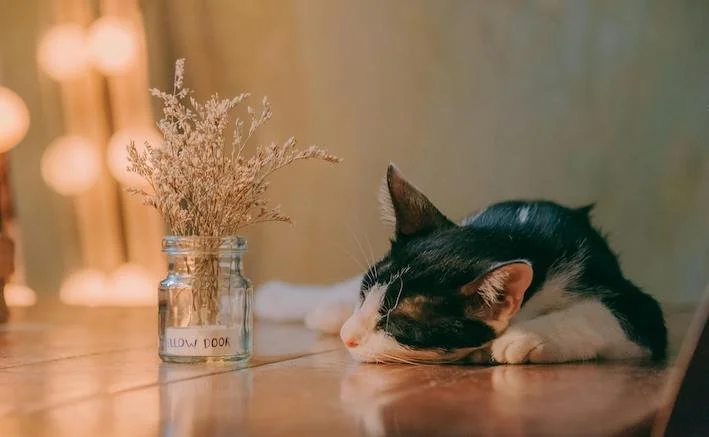
Lavender: Lavender feels like an exhale. It's moving and dispersing, with an opening quality that relaxes and allows for flow. An antispasmodic to both smooth and skeletal muscle, it's indicated for tension in the upper back, cramping in the digestive system, and menstrual cramps, allowing us to release pent up energy that hinders deep rest. The way this plant presents - intense and rigid stems that give way to sweet and fragrant flowers - is a nod to its ability to help us let go of perfectionism. ⚘
Giving yourself permission to rest can involve a whole inner journey and process of unlearning - it's okay if you're not there yet. As with any new learning process, I advocate for slow and steady progress rather than perfection, with lots of self-compassion. One of my clients recently described such a process as gentle persistence, which I believe is just what's needed right now.
As the days lengthen and we start to see the first hints of spring, I invite you gently persist in a practice of rest, and to resist the urge to come out of hibernation too abruptly.
