

Softening Expectations around Self-care
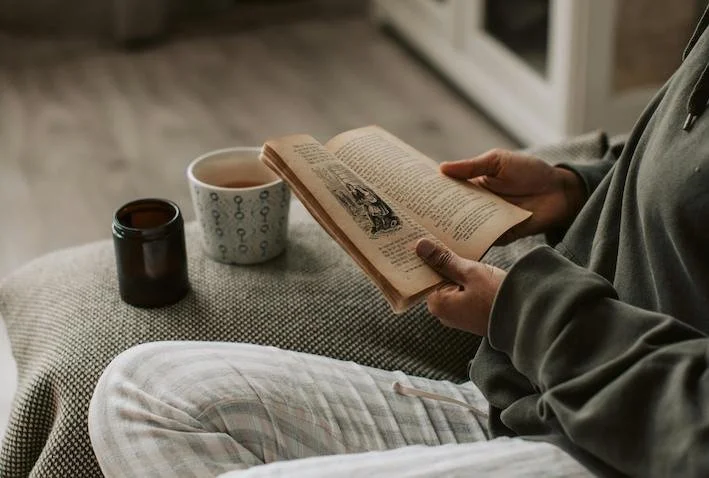
Something that often comes up in session with clients is the notion of self-care. With only so much time and energy in a day, clients express that self-care practices often fall to the bottom of the list, resulting in feelings of shame. Often during these conversations I’m amazed by all the ways - both big and small - that these same clients are showing up for themselves. Meals make it onto the table, time is set aside for art, for movement, for community, for rest - beautiful expressions of care, even if they don’t check all of the self-care boxes on one’s list.
This begs the question then: what exactly is self-care?
So much has been said about this topic. Thinkers like Audre Lorde, bell hooks, and Angela Davis remind us that within systems predicated on individualism rather than collective well-being, true self-care is resistance against the many ways our agency is taken from us.
So much has also been said about this topic by those who want to sell you more candles and beauty products. In the version of self-care that aims at your bank account rather than at systemic oppression, self-care becomes an expense and a chore. In Real Self-Care, Pooja Lakshmin reflects that "self-care ends up being another burden, another thing on the to-do list for women to feel bad about because they aren’t doing it right." This applies to other genders as well.
At the end of the day, we can’t achieve perfect self-care because the larger systems we’re embedded in are themselves not rooted in care. And yet, so many of us are drowning in “shoulds.” We judge ourselves for the things we feel we should be doing - aiming frustration inwards, instead of outwards towards those systems.
There are so many ways we find to nourish ourselves physically, emotionally, and spiritually that don’t fit into mainstream notions of self-care. These include the mundane, everyday things that make up the rhythms of our lives - showers, naps, moments of connection with a loved one - things that become so routine that we stop recognizing them as acts of care. But these tiny acts are the very things that get us through the tougher days.
This is not to say that sustained self-care practices (including herbs!) aren't important. But when we’re stretched thin, sometimes the most caring thing to do is to give ourselves permission to take a step back. We can leave boxes unchecked, knowing we’ll pick up where we left off when the time is right.
